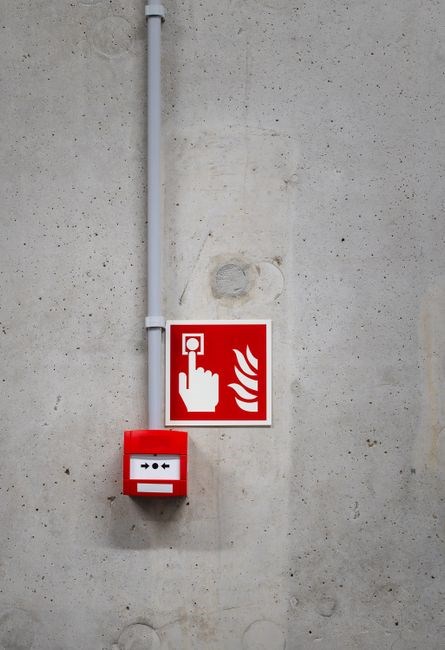
Definition of Manual Call Point
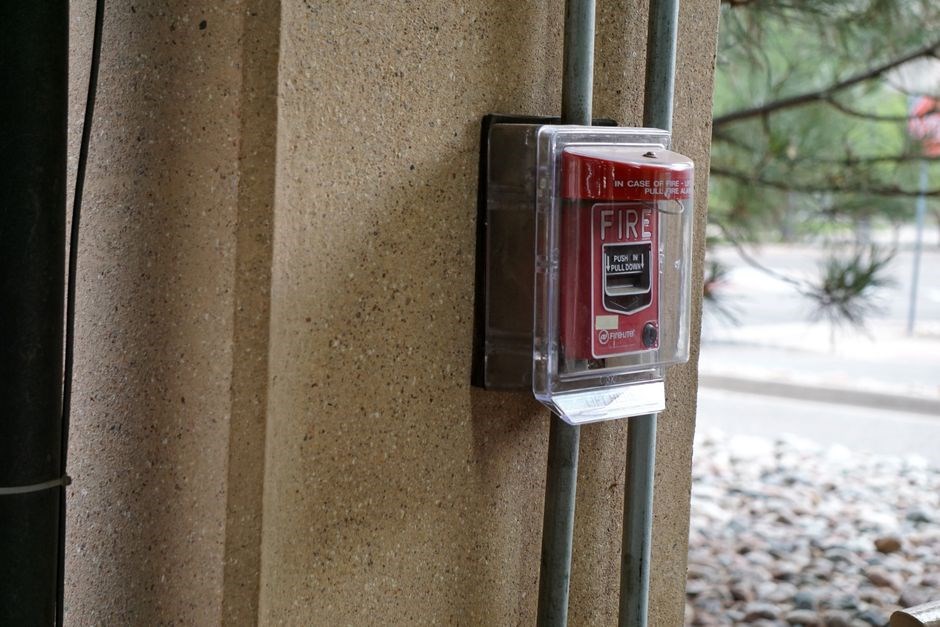
A manual call point (MCP) is a user‑activated device that initiates a fire alarm․ It typically contains a switch, terminal, and wiring, and is installed in accessible locations to allow occupants to signal danger quickly․ ensure safety․!
Purpose in Fire Alarm Systems
The primary role of a manual call point (MCP) is to provide a reliable, occupant‑initiated trigger that activates the building’s fire alarm network․ When a person spots smoke or fire, pressing the MCP completes an electrical circuit that sends a signal to the central control panel, which then illuminates alarm indicators, sounds audible alerts, and may trigger sprinkler or suppression systems․ MCPs are strategically placed near exits, stairwells, and high‑risk areas, ensuring that anyone can quickly alert the system regardless of the fire’s location․ Because they are simple to operate—often just a push button—they reduce the time between detection and notification, giving occupants more seconds to evacuate safely․ Additionally, MCPs serve as a backup to automatic detectors, covering gaps where sensors may miss a fire or fail․ In many jurisdictions, the presence of MCPs is mandated by fire codes, and their proper installation and maintenance are critical for compliance and for achieving the fastest possible response from emergency services․ By allowing occupants to activate the alarm, MCPs connect detection with fire systems, creating a defense that protects lives!

Key Components of a Manual Call Point
Manual call points comprise a switch, a terminal for connection, and secure wiring․ Addressable MCPs transmit signals to the control panel, enabling precise location and rapid response․ They are essential for occupant alarms․ and fire safety․ now
Switch, Terminal, and Wiring
In a manual call point, the switch is the activated element that closes the circuit when pressed․ The terminal provides a secure point for connecting the MCP to the fire alarm panel, ensuring reliable signal transmission․ Wiring must be robust, rated, and protected against environment factors․ The switch is typically a spring‑loaded push button with an indicator, allowing occupants to confirm activation․ The terminal is often a screw connector with panel input․ Wiring harnesses are insulated and routed through conduit or cable trays to prevent damage and maintain signal integrity․ Proper grounding and isolation are critical to avoid electrical noise and false triggers․ The combination of components guarantees that the manual call point functions correctly, delivering a clear alarm signal to the control panel and, subsequently, to the fire suppression system and occupants․ Regular inspection of the switch, terminal, and wiring ensures ongoing reliability and compliance with fire safety regulations․ All components tested! Additionally, the wiring must be rated for fire resistance and the terminal should be accessible for maintenance ensuring corrosion or disconnection time․
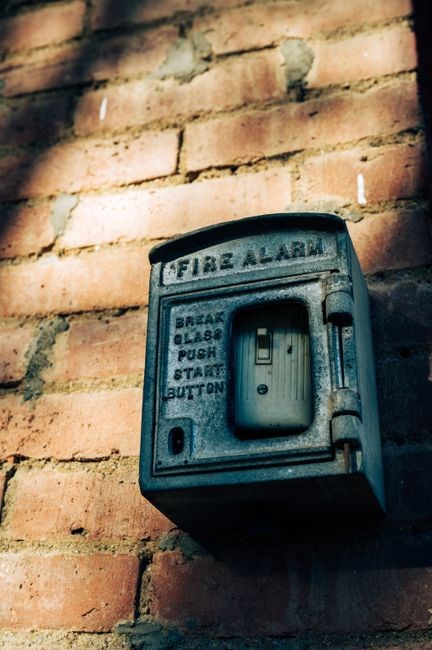
Types of Manual Call Points
Manual call points are either conventional, sending a simple on/off signal, or addressable, transmitting unique IDs for precise location and system integration․ ensuring safety fast․
Addressable vs․ Conventional
Addressable manual call points (MCPs) transmit a unique identifier to the fire alarm control panel, enabling the system to pinpoint the exact location of the trigger․ Conventional MCPs, by contrast, only send a generic on/off signal, requiring the panel to scan the entire circuit to locate the source․ Addressable units are typically integrated with Honeywell’s System Sensor line, offering advanced diagnostics and real‑time status updates․ Conventional units are simpler and often used in smaller installations or where budget constraints exist․ In an addressable setup, each MCP is assigned a distinct address, allowing the control panel to display the specific zone or room that activated the alarm․ This facilitates quicker response times, targeted evacuation, and more accurate fault detection․ The choice between the two depends on building size, complexity, and regulatory requirements․ Addressable systems are favored in high‑rise or multi‑story structures, whereas conventional systems remain common in single‑floor or low‑risk environments․ Both types require proper installation, regular testing, and compliance with local fire safety codes․ Ultimately, addressable MCPs provide enhanced situational awareness and improved safety outcomes, while conventional MCPs offer a cost‑effective, straightforward solution for many applications․

Installation Guidelines
Install manual call points at eye level, within 1․5 m of exit routes, and ensure clear access․ Use approved mounting brackets, secure wiring, and test each unit after installation․ Follow local codes and manufacturer guidelines for safety!!!!
Location, Height, and Accessibility
Manual call points must be positioned to provide immediate access to all occupants, especially in areas such as corridors and stairwells near exits․ The standard installation height is 1․0 to 1․5 m above the floor, ensuring visibility and reachability for all heights, including wheelchairs․ Placement should avoid obstructions such as signage, furniture, or equipment that block the line of sight or impede activation․ In addition, the device should be mounted on a wall or pole that is stable and resistant to vibration or impact, as these conditions can compromise the integrity of the switch mechanism․ Accessibility guidelines require that the call point be free from any physical barriers, with a clear path of at least 0․9 m to the nearest exit․ The surrounding area must be well lit, and the call point should be marked with a clear, contrasting color for recognition during low‑visibility conditions․ Regular inspections should verify that the device remains at the correct height and that no new obstacles have been introduced․ Finally, coordination with fire safety engineers ensures the location aligns with the overall alarm strategy, providing rapid response for occupants․
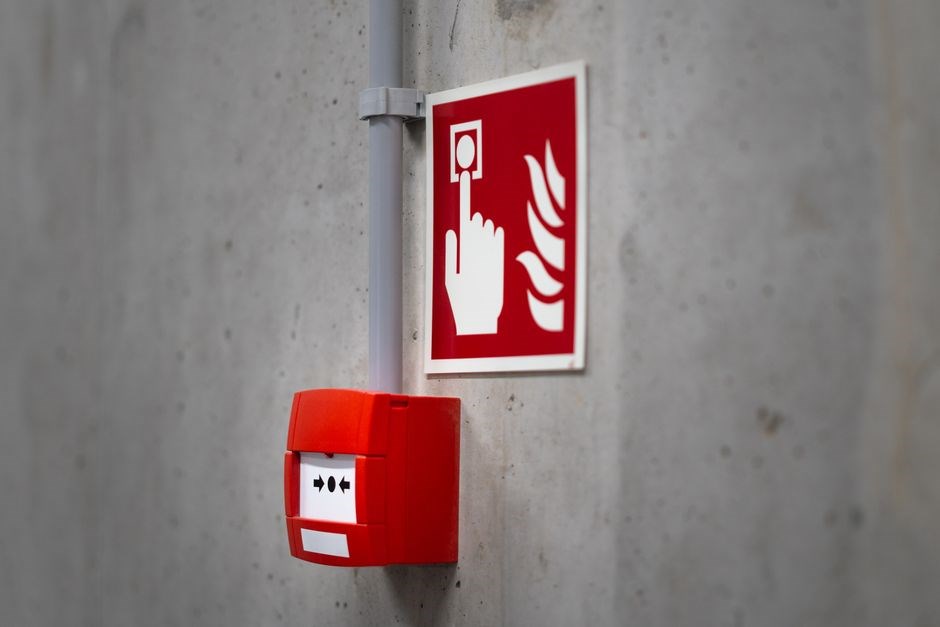
Compliance with Fire Safety Regulations
Manual call points must meet NFPA 72, EN 54‑2, and local fire codes․ They require certification, proper labeling, and integration into the building’s fire alarm system and reporting properly․
Relevant Standards and Codes
Manual call points (MCPs) are governed by international standards such as NFPA 72 and EN 54‑2, which set performance and installation requirements for both addressable and conventional systems․ In the UK, BS 5839‑1:2017 provides detailed guidance on placement, labeling, and integration of MCPs within a building’s fire safety strategy․ Local regulations, for example the Building Regulations Part B, require MCPs to be installed no more than 2․5 m from the nearest exit and to be clearly visible and accessible․ Compliance also involves periodic testing in line with ISO 9001 quality management principles and adherence to IEC 60335‑2‑73 for electrical safety․ Certification marks such as the CE mark in the EU or UL listing in the US confirm that a product meets the relevant safety and performance criteria, and proper documentation of installation, commissioning, and routine testing is essential for regulatory audits․ In addition, many modern MCPs feature built‑in status indicators and can be networked to central monitoring systems, allowing real‑time alerts and remote verification of alarm activation, which enhances overall fire safety management․ Compliance with these standards ensures reliable operation and occupant protection!!
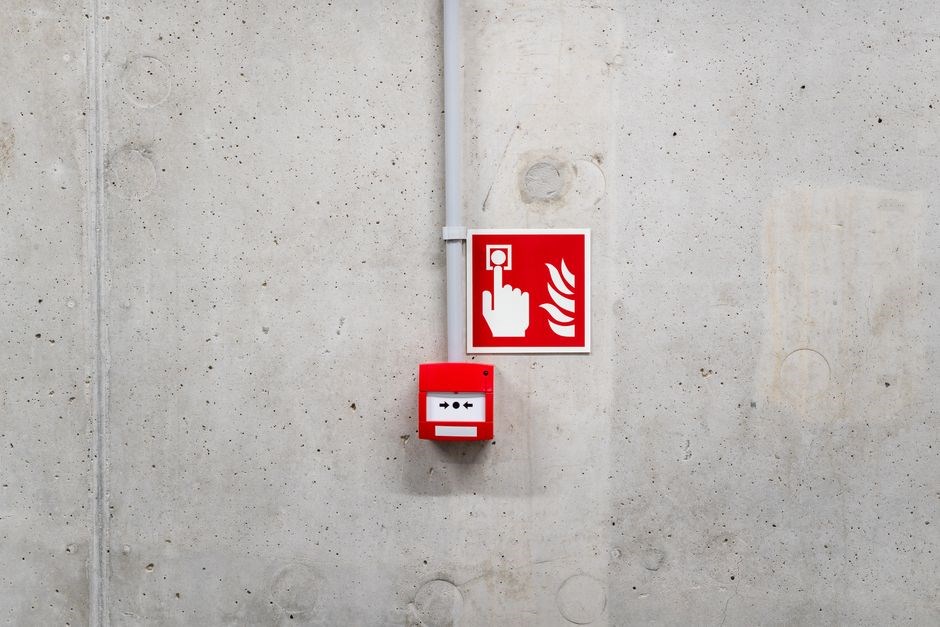
Maintenance and Testing Procedures
Routine checks include visual inspection, functional tests, and battery replacement․ Log results, verify signal integrity, and meet NFPA 72 standards․ Schedule annual reviews and maintain logs!!
Routine Inspection and Functional Tests
Manual call points (MCPs) are critical for fire safety, and their reliability depends on regular maintenance․ A routine inspection should begin with a visual check for physical damage, corrosion, or loose mounting․ Verify that the push‑button is free to move and that the indicator lamp is functioning․ Next, perform a functional test by pressing the button and confirming that the alarm system receives the signal and that notification devices (sirens, strobes) activate․ For addressable MCPs, use the system console to read the device status and ensure it reports as “normal․” Record all findings in a maintenance log, noting any discrepancies; If a fault is detected, replace the unit or repair wiring as required․ Follow NFPA 72 and local fire codes for testing frequency—typically monthly for functional tests and annually for comprehensive inspections․ Maintain documentation to demonstrate compliance during inspections or audits; Ensure the MCP is accessible to all occupants, including those with disabilities, and that signage clearly indicates its location․ Periodic training for staff on MCP operation improves response times during emergencies․ Regular checks also verify battery backup status․ OK!

Integration with Fire Alarm Systems
Manual call points (MCPs) send a signal to the fire alarm panel when pressed․ Addressable MCPs report their status, pinpointing the alarm location․ Conventional panels trigger a generic alarm for all zones․ They ensure quick response! OK!!
Signal Transmission and Notification
When an occupant presses a manual call point (MCP), the device completes a low‑voltage circuit that sends a signal to the fire alarm control panel (FACP)․ In addressable systems, each MCP has a unique ID; the FACP logs the point’s address and triggers a zone‑specific alarm․ The panel then activates audible and visual indicators nearby and may also initiate a pre‑configured notification sequence that includes a voice alarm, strobe lights, and an automated call to the local fire department․ Conventional systems send a generic “fire” signal that triggers all zones without pinpointing the exact location․ Modern MCPs often incorporate Ethernet or wireless interfaces, allowing the signal to be transmitted over a building automation network․ This enables real‑time monitoring by security staff and remote notification via a mobile app․ Additionally, many MCPs support “silent” modes for use in hospitals or libraries; in these cases, the signal is routed to a central monitoring station without activating local alarms, yet the FACP still records the event and alerts emergency services․ The integration of MCPs with building management systems (BMS) enhances awareness teams to verify alarm status remotely and schedule testing!!

Benefits of Using Manual Call Points
Manual call points enable occupants to trigger alarms instantly, providing rapid notification to fire services and building staff․ Their simple operation, low maintenance, and compliance with fire codes enhance overall safety and peace of mind․
Rapid Response and Occupant Safety
Manual call points (MCPs) are strategically placed throughout a building to enable occupants to instantly alert the fire alarm system․ When activated, the MCP sends a clear signal to the central panel, triggering audible and visual alarms, activating sprinklers, and notifying emergency services․ This rapid communication shortens the interval between fire detection and response, giving people critical seconds to evacuate or seek shelter․ MCPs are designed for simple operation—usually a lever or button—so minimal training is required and user error is unlikely․ They function independently of power supplies, ensuring reliability during outages․ Integrated with addressable fire alarm systems, MCPs provide precise location data, allowing responders to prioritize affected zones․ The combination of immediate activation, low maintenance, and proven reliability makes MCPs a cornerstone of modern fire safety, directly reducing casualties and speeding incident resolution․ In addition, the presence of manual call points fosters a culture of safety, encouraging occupants to remain vigilant and promptly report hazards, thereby enhancing overall fire resilience and safety today․
Common Issues and Troubleshooting
Common issues include false alarms, wiring faults, and button wear․ Troubleshooting steps: inspect wiring continuity, test button actuation, verify panel response, and replace defective components․ Regular checks prevent downtime day!
False Alarms and Wiring Faults
False alarms often arise from loose or corroded connections, incorrect grounding, or electromagnetic interference․ Wiring faults can cause intermittent operation, leading to missed detections or nuisance triggers․ To diagnose, perform a continuity test on the circuit, inspect for insulation damage, and check the panel’s status display for fault codes․ Replace damaged conductors, secure all terminations, and ensure the manual call point’s switch contacts are clean and free of debris․ Regular functional tests, as mandated by local fire codes, help identify latent issues before they compromise safety․
In addition, environmental factors such as temperature extremes, humidity, and corrosive atmospheres can degrade MCP components, causing intermittent faults․ Regular inspection of the enclosure for moisture ingress, checking for corrosion on terminal screws, these risks․ When a fault is detected, replace the entire unit rather than attempting to patch the switch, as partial repairs may lead to unreliable operation during an emergency․ Documentation of each test and repair in a logbook is essential for compliance with fire safety audits and for traceability during incident investigations․
Future Trends in Manual Call Point Technology
Smart MCPs use IoT for remote status, battery backup, and AI diagnostics, cutting false alarms and improving safety․ with integrated sensors, wireless alerts, and predictive analytics․
Smart Features and Connectivity
Modern manual call points (MCPs) now integrate wireless modules that send real‑time status to central fire‑management dashboards, allowing managers to monitor each point’s health remotely․ Battery‑backed power and self‑diagnostic circuitry detect low voltage or wiring faults, automatically flagging issues before failure․ Many MCPs support dual‑mode operation: a wired loop for legacy systems and a Bluetooth or Zigbee link for cloud monitoring․ When pressed, the device transmits not only an alarm signal but also contextual data such as location, occupant count, and temperature․ This information feeds predictive analytics that can prioritize dispatch, adjust sprinklers, or trigger suppression systems․ Touch‑screen interfaces guide occupants through evacuation steps, display emergency instructions, and play audio cues․ Integration with building automation can trigger HVAC shutdown, lock doors, or illuminate exit paths․ Firmware over‑the‑air updates keep software current, patching security vulnerabilities and adding new functionality without onsite visits․ Additionally, the devices log activation timestamps and send alerts to mobile devices, ensuring rapid response even when occupants are not physically present․ They also support integration with emergency notification systems, allowing automated voice or text alerts to occupants․ These smart features and connectivity options turn a simple button into a proactive, networked node that enhances safety, streamlines maintenance, and supports compliance with evolving fire‑safety regulations․