
Chicken Maison Nutrition Facts PDF: A Comprehensive Guide
Chicken Maison’s nutritional details are crucial for informed dietary choices; readily available PDFs offer a detailed breakdown of macronutrients, vitamins, and minerals.
Chicken Maison has become a popular fast-food choice, known for its diverse menu centered around chicken products. Understanding the nutritional content of these offerings is vital for health-conscious consumers. While enjoying convenient meals, it’s essential to be aware of the macronutrient composition – protein, fats, and carbohydrates – present in each item.
Chicken Maison’s nutritional information, often available in PDF format, details vitamin and mineral contributions, aiding informed dietary decisions. This guide aims to comprehensively explore these facts, empowering individuals to make balanced choices when indulging in Chicken Maison’s tasty options.
Understanding Nutrition Facts Labels
Decoding Nutrition Facts labels is crucial for making informed food choices, especially when reviewing Chicken Maison’s offerings. These labels detail serving size, calories, and macronutrient breakdowns – fats, proteins, and carbohydrates. Pay close attention to percentages of Daily Value (%DV), indicating nutrient contribution to a 2,000-calorie diet.
Understanding these labels empowers you to assess the health impact of each Chicken Maison item. Look for limiting nutrients like saturated fat and sodium, and prioritize those rich in essential vitamins and minerals. PDFs often provide this detailed information.

Nutritional Breakdown of Chicken Maison Products
Chicken Maison products exhibit varying nutritional profiles; a detailed analysis reveals macronutrient and micronutrient compositions, crucial for dietary planning and health awareness.
Macronutrient Composition
Chicken Maison’s macronutrient profile—proteins, fats, and carbohydrates—is essential for understanding its nutritional impact. Protein content supports muscle development and satiety, while fat provides energy and aids vitamin absorption. Carbohydrate levels are generally lower, depending on breading or coatings. Analyzing these components helps individuals align Chicken Maison consumption with their dietary goals. A comprehensive PDF nutrition guide details these values per serving, enabling informed choices for balanced meals and specific dietary needs, like high-protein or low-carb plans.
Protein Content
Chicken Maison products are recognized for their substantial protein contribution, vital for muscle maintenance and growth. The precise protein quantity varies by product—nuggets, strips, or popcorn chicken—and serving size. A detailed PDF nutrition facts sheet reveals the exact grams of protein per portion, aiding those focused on increasing protein intake. This is particularly beneficial for athletes or individuals seeking a satiating meal. Understanding the protein content allows for informed meal planning and supports overall health objectives.
Fat Content
Analyzing the fat content in Chicken Maison items is essential for a balanced diet. The PDF nutrition guides detail total fat, saturated fat, and trans fat per serving. While chicken is generally lean, preparation methods—like frying—impact fat levels. Consumers should review these details, especially if monitoring cholesterol or calorie intake. Understanding the fat composition helps make healthier choices, aligning with individual dietary needs and wellness goals. Careful consideration of fat content supports informed nutritional decisions.
Carbohydrate Content
Chicken Maison’s PDF nutrition facts reveal the carbohydrate levels in each product, including total carbohydrates, dietary fiber, and sugars. While chicken itself contains minimal carbohydrates, breading, sauces, and marinades significantly contribute. Individuals following low-carb diets should carefully examine these details. Understanding the carbohydrate breakdown aids in managing blood sugar levels and overall calorie intake. This information empowers consumers to make informed choices aligned with their specific dietary requirements and health objectives.
Micronutrient Profile
Chicken Maison’s PDF nutrition facts detail essential micronutrients, including vitamins and minerals vital for health. These documents outline the presence of Vitamin A, crucial for vision and immune function, and Vitamin C, an antioxidant. Iron content is also specified, supporting red blood cell production and oxygen transport. Analyzing this profile helps consumers assess how Chicken Maison products contribute to their daily micronutrient needs, supporting overall well-being and a balanced diet.
Vitamin A
Chicken Maison’s nutrition facts PDF reveals the Vitamin A content within their products, a fat-soluble vitamin essential for maintaining healthy vision, supporting immune function, and promoting cell growth. Adequate Vitamin A intake is crucial for overall health, and the PDF allows consumers to determine the contribution of Chicken Maison items to their daily requirements. This information empowers informed dietary choices, ensuring sufficient intake of this vital nutrient.
Vitamin C
Analyzing the Chicken Maison nutrition facts PDF, it’s important to note the presence, or often the limited quantity, of Vitamin C. While not a primary source, understanding its contribution is valuable. Vitamin C is a potent antioxidant, supporting immune health and collagen production. The PDF details any Vitamin C content, allowing consumers to supplement their diet accordingly to meet recommended daily intakes for optimal wellness.
Iron Content
Reviewing the Chicken Maison nutrition facts PDF reveals the iron contribution from their products. Iron is essential for oxygen transport within the body, preventing fatigue and supporting overall vitality. The PDF specifies the amount of iron per serving, aiding consumers in tracking their intake. While chicken isn’t exceptionally high in iron, it provides a bioavailable source, contributing to daily requirements and supporting healthy blood cell production.

Specific Chicken Maison Product Analysis
Chicken Maison’s diverse menu—nuggets, strips, and popcorn chicken—each possess unique nutritional profiles detailed within their PDF documentation for informed choices.
Chicken Maison Nuggets Nutrition
Chicken Maison nuggets, a popular choice, require careful nutritional consideration. A standard serving typically contains around 250-350 calories, with a significant portion derived from fat—approximately 15-20 grams. Protein content is substantial, offering 15-20 grams per serving, crucial for muscle maintenance. Carbohydrate levels vary, generally around 15-25 grams, often including sugars from breading.
Micronutrient contributions are modest, with some sodium present due to seasoning. Detailed PDFs provide precise breakdowns of these values, alongside information on cholesterol and other essential nutrients, enabling consumers to make informed dietary decisions regarding this convenient option.
Chicken Maison Strips Nutrition
Chicken Maison’s strips present a different nutritional profile compared to nuggets. A typical serving (around 3-4 strips) generally provides 300-400 calories, with fat content ranging from 18-25 grams, depending on preparation methods like frying or baking. Protein remains a key component, delivering approximately 20-25 grams per serving, supporting muscle health.
Carbohydrate levels are usually lower than nuggets, around 10-20 grams. Accessing the official PDF nutrition facts allows for precise tracking of sodium, cholesterol, and vitamin contributions, aiding in balanced meal planning and informed consumer choices.
Chicken Maison Popcorn Chicken Nutrition
Chicken Maison’s popcorn chicken, a popular choice, offers a distinct nutritional composition. A standard serving (approximately 6-8 pieces) typically contains around 250-350 calories, with fat content varying between 15-20 grams, influenced by the breading and frying process. Protein levels remain substantial, providing roughly 15-20 grams per serving, essential for dietary needs.
Carbohydrates usually fall within the 15-25 gram range. Detailed PDF nutrition facts reveal specific sodium, vitamin, and mineral content, enabling consumers to make informed decisions regarding portion control and overall dietary balance.
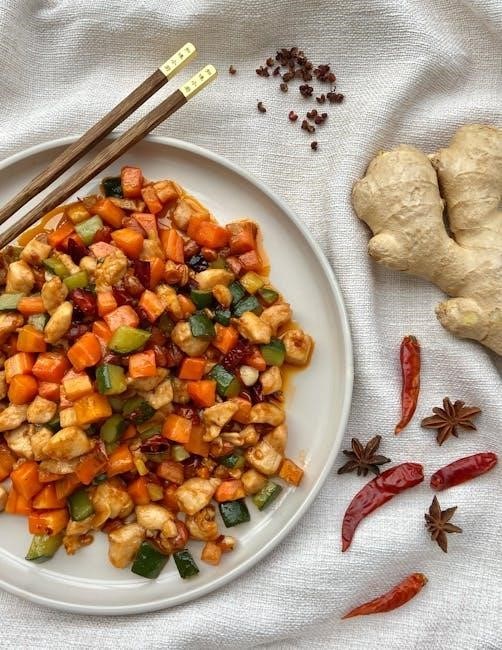
Comparing Chicken Maison to Other Chicken Brands
Chicken Maison’s nutritional profile, detailed in available PDFs, allows for direct comparison with competitors regarding calories, fat, and protein content per serving.
Nutritional Differences
Chicken Maison’s nutrition facts PDFs reveal key distinctions when contrasted with other brands; variations exist in sodium levels, saturated fat content, and added sugars across product lines. Some competitors may utilize different breading formulations, impacting carbohydrate counts and overall caloric density. PDF analysis highlights potential differences in vitamin and mineral fortification, such as Vitamin A or iron. Comparing serving sizes is also vital, as discrepancies can skew perceived nutritional value. Ultimately, scrutinizing these PDFs empowers consumers to make informed choices aligned with their dietary needs and preferences, understanding the nuanced nutritional landscape of processed chicken products.
Ingredient Analysis
A thorough review of Chicken Maison’s nutrition facts PDFs reveals ingredient lists often include chicken, breading (wheat flour, seasonings), and vegetable oil. Examining these lists is crucial; some products contain preservatives like sodium phosphates or modified food starch. The source and quality of the chicken itself aren’t always specified. PDFs may detail artificial flavors or colors used in seasonings. Consumers should assess ingredients for potential allergens or sensitivities. Understanding these components allows for a more informed evaluation of the product’s overall quality and suitability for individual dietary requirements.

Chicken Anatomy and Physiology Relevance
Chicken anatomy dictates nutrient absorption; understanding this is vital when analyzing Chicken Maison’s nutrition facts PDF for optimal bird health and well-being.
Impact of Diet on Chicken Health
Analyzing Chicken Maison’s nutrition facts PDF reveals how dietary components directly influence a chicken’s physiological state. Proper nutrition, detailed within these documents, supports robust immune function, feather quality, and overall vitality. A balanced intake of proteins, fats, and carbohydrates, as outlined, is essential for optimal growth and egg production.
Conversely, nutritional deficiencies can lead to stress, feather loss, and even bleeding beaks – indicators highlighted by observing chicken behavior. Understanding the PDF’s data allows owners to proactively address potential health concerns through informed feeding practices, ensuring a thriving flock.
Understanding Egg Production & Nutrition
Examining a Chicken Maison nutrition facts PDF provides insight into how a hen’s diet impacts egg quality and quantity. As chickens age, egg size increases initially, but production eventually declines – a process influenced by nutritional intake. The PDF details the necessary vitamins and minerals for shell formation and yolk development.
Breed also plays a role; ear lobe color correlates with eggshell color, but consistent nutrition, as detailed in the PDF, is paramount for maximizing egg-laying potential and ensuring nutrient-rich eggs for consumption.
Chicken Breed and Egg Color Correlation
PDF data reveals red ear lobes typically indicate brown eggs, while white ear lobes suggest white eggs, though Chicken Maison’s nutrition impacts shell quality.
Red Ear Lobes & Brown Eggs
Chicken Maison’s ingredient sourcing doesn’t directly correlate to ear lobe color, but generally, breeds with red ear lobes, like Rhode Island Reds or New Hampshire Reds, lay brown eggs. This is due to the pigment protoporphyrin IX deposited during shell formation. However, a hen’s diet, detailed in PDF nutritional guides, significantly influences eggshell color intensity. Adequate calcium and protein intake, as outlined in Chicken Maison’s product information, are vital for robust shell development and consistent brown egg production, regardless of breed predisposition. Understanding these factors provides a holistic view of egg quality.
White Ear Lobes & White Eggs
While Chicken Maison focuses on providing quality poultry products, understanding egg origins is insightful. Chickens with white ear lobes, such as Leghorns, typically lay white eggs. This difference stems from the absence of protoporphyrin IX deposition during shell formation. However, a hen’s nutritional intake, detailed in Chicken Maison’s PDF resources, can subtly alter shell shades. Ensuring adequate calcium and vitamin D, as highlighted in product analyses, supports optimal shell development, even in white-egg layers. Breed and diet interplay to determine final egg color.
Chicken Behavior and Health Indicators
Chicken Maison’s products support healthy flocks; observing behavior—like penguin-like walking or feather loss—signals potential stress or illness requiring dietary adjustments.
Penguin-Like Walking & Potential Issues
Penguin-like walking in chickens isn’t always egg binding, despite common assumptions. Several factors can cause this unusual gait, demanding immediate attention. Nutritional deficiencies, potentially linked to Chicken Maison product imbalances, could contribute to muscle weakness or nerve issues. Other causes include skeletal problems, infections, or injuries. Careful observation is key; assess for additional symptoms like lethargy, loss of appetite, or abnormal droppings. Prompt veterinary consultation is crucial for accurate diagnosis and treatment, ensuring the chicken’s well-being and preventing further complications.
Feather Loss & Stress
Feather loss in chickens is often a visible sign of underlying stress, potentially exacerbated by inadequate nutrition. While not directly linked to Chicken Maison, a poorly balanced diet – lacking essential vitamins and minerals – can weaken feather follicles. Stressors include overcrowding, predator presence, or sudden environmental changes. Nutritional deficiencies can compromise the immune system, making chickens more susceptible to parasites like mites, which also cause feather loss. Addressing both the stressor and ensuring a complete diet are vital for restoring feather health and overall well-being.
Sand Selection for Chicken Runs
Sand quality impacts chicken health; washed, coarse sand provides drainage and avoids harmful dust, though it’s unrelated to Chicken Maison’s nutritional content.
Washed Sand Importance
Washed sand is paramount for a healthy chicken run, despite having no direct connection to Chicken Maison’s nutritional profiles. Unwashed sand harbors dust and debris, potentially causing respiratory issues in chickens and creating a generally unsanitary environment. This impacts their well-being, though it doesn’t alter the macronutrient or vitamin content found in processed chicken products. Prioritizing cleanliness through washed sand ensures a safer, more comfortable space for your flock, separate from dietary considerations related to brands like Chicken Maison.
Coarse Sand Benefits
Coarse sand offers superior drainage compared to finer varieties, a crucial factor for maintaining a dry and hygienic chicken run – though unrelated to Chicken Maison’s nutritional information. Better drainage minimizes compaction, preventing mud and reducing the risk of bacterial growth. This contributes to overall flock health, independent of their potential consumption of processed chicken products. Choosing coarse sand prioritizes a clean environment, separate from analyzing the macronutrient or vitamin content of brands like Chicken Maison.
Chicken Egg Size and Age
Egg size generally increases as hens mature, though production declines; this is unrelated to Chicken Maison’s processed chicken nutrition facts and PDF details.
Egg Size Increase with Age
As hens age, a fascinating physiological change occurs: their eggs tend to become larger. This isn’t about Chicken Maison’s nutritional content or PDF information, but rather a natural part of a hen’s reproductive cycle. Pullets, young hens just beginning to lay, typically produce smaller eggs.
Over time, the oviduct—the pathway for egg formation—becomes more developed and efficient. This allows for greater deposition of shell material and egg contents, resulting in progressively larger eggs. However, it’s important to note that while size increases, the number of eggs laid generally decreases with age.
Egg Production Decline with Age
While egg size increases as hens mature, their overall egg production inevitably declines. This isn’t directly related to Chicken Maison’s nutrition facts PDF, but a natural biological process. Young hens, in their first laying year, are typically the most prolific layers, producing a high volume of eggs.
As they age, hormonal changes and a gradual decline in ovarian function lead to fewer eggs laid per year. This decline is gradual, but noticeable, and varies between breeds. Maintaining optimal hen health through proper nutrition and care can help extend their productive laying years.

Chicken Sensory Perception
Chickens possess unique sensory abilities; they cannot taste sweetness, but readily perceive saltiness, impacting their feed preferences and overall dietary intake.
Inability to Taste Sweetness
Interestingly, chickens lack the taste receptors necessary to perceive sweetness, a significant difference from human palates. This means that adding sugar or sweetening agents to their feed won’t enhance its appeal, and they won’t actively seek out sugary foods. Their evolutionary history and natural diet, primarily consisting of grains, seeds, and insects, haven’t necessitated the development of a sweet taste preference. Consequently, Chicken Maison’s product formulation doesn’t rely on sweetness to attract consumption, focusing instead on savory and umami flavors that chickens can detect. Understanding this sensory limitation is vital when considering their nutritional needs and preferences.
Ability to Taste Saltiness
Conversely to their inability to detect sweetness, chickens can perceive saltiness, possessing taste receptors for sodium chloride. This sensitivity plays a role in their electrolyte balance and overall health, guiding them towards essential minerals. While Chicken Maison products aren’t heavily salted, a moderate level of sodium is present, contributing to palatability and fulfilling a basic nutritional requirement. It’s important to note that excessive salt intake is detrimental to poultry, so careful formulation is key to providing a balanced and appealing product without compromising their well-being.
Potential Chicken Injuries
Although unrelated to Chicken Maison’s nutrition, chickens can suffer beak bleeding or stress-related issues, impacting their health and egg production quality.
Bleeding Beaks
While seemingly unrelated to Chicken Maison’s nutritional content, a chicken’s beak can indeed bleed, often stemming from minor injuries during pecking or disputes within the flock. More seriously, it could indicate a vitamin K deficiency or a more significant underlying health problem requiring veterinary attention. Environmental factors, like sharp objects in the run, can also contribute. Consistent monitoring of your flock is essential to identify and address any beak injuries promptly, ensuring their overall well-being and preventing potential infections.
Stress-Related Issues
Although seemingly disconnected from Chicken Maison’s nutritional profile, stress profoundly impacts chicken health. Feather loss is a common indicator, often triggered by changes in environment, overcrowding, or predator presence. Stress weakens the immune system, making chickens more susceptible to illness. Providing a calm, secure environment with adequate space and enrichment is crucial. Minimizing disturbances and ensuring consistent routines can significantly reduce stress levels, promoting a healthier and more productive flock, indirectly influencing their nutritional needs.

PDF Availability and Resources
Chicken Maison’s nutrition PDFs can be found on their official website, alongside reliable online nutrition databases for comprehensive dietary information.
Locating Chicken Maison Nutrition PDFs
Finding Chicken Maison’s detailed nutritional information in PDF format requires a focused search. Begin by visiting the official Chicken Maison website; a dedicated “Nutrition” or “Food Facts” section is the most likely location. If unavailable directly, explore their “Contact Us” page to request the PDF.
Alternatively, utilize search engines with specific keywords like “Chicken Maison nutrition facts PDF” or “Chicken Maison allergen information.” Reputable online nutrition databases, such as those maintained by food industry associations or government health organizations, may also host these documents. Always verify the source’s credibility to ensure accuracy.
Reliable Online Nutrition Databases
Several trustworthy online resources compile extensive nutritional data, potentially including Chicken Maison products. The USDA FoodData Central database is a highly respected source, offering detailed breakdowns of food composition. Other valuable platforms include MyFitnessPal and Nutritionix, which often feature user-submitted and verified nutritional information.
When utilizing these databases, cross-reference data with Chicken Maison’s official website whenever possible. Prioritize databases with clear sourcing and regularly updated information to ensure accuracy and reliability when assessing the nutritional content of their menu items.