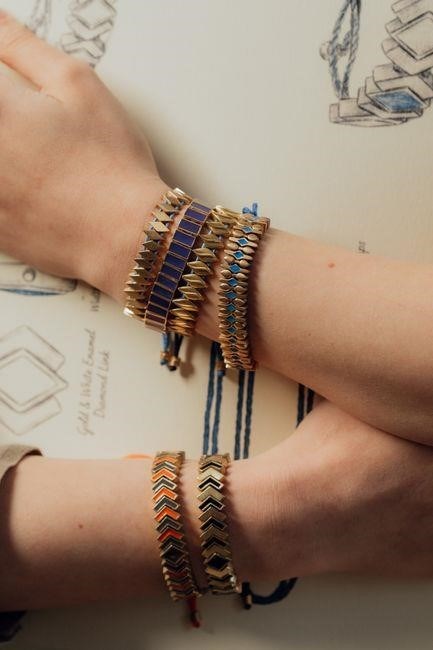
Finding the perfect bracelet starts with understanding how wrist size influences style and comfort. This guide walks you through measuring, interpreting, and selecting pieces that fit flawlessly, ensuring your accessory complements both your look and daily life. Whether you love a chain or cuff, fit matters.!!!?

Measuring Your Wrist
Measure your wrist by wrapping a flexible tape around the base, just below the knuckles. Ensure the tape is snug but not tight. Record the length in centimeters or inches. For accuracy, repeat the measurement twice and average the results. If you lack a tape, use a string, then measure it with a ruler accuracy!
Tools Needed
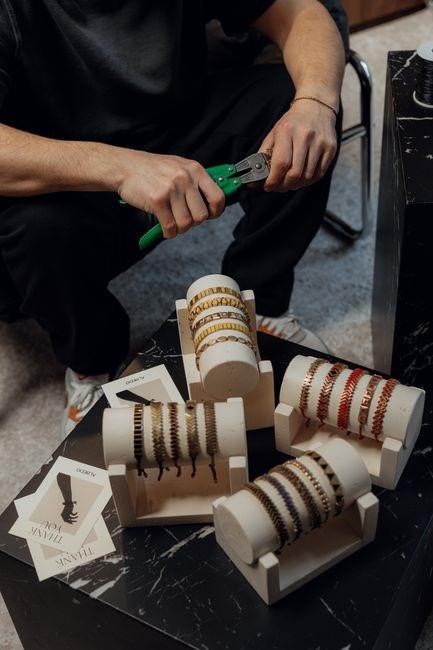
To accurately determine your bracelet size, gather a few simple items that are likely already in your home or can be found in any household supply store. A flexible, non‑stretch measuring tape—preferably the kind used for sewing or tailoring—provides the most reliable reading, as it conforms to the natural curve of your wrist. If you do not have a dedicated tape, a thin piece of string or yarn works well; simply wrap it around the wrist, mark the point where the ends meet, and then measure that length with a standard ruler or a digital caliper for extra precision. A ruler or a digital caliper should be calibrated in both centimeters and inches to accommodate different measurement systems. A small notebook or a piece of paper and a pen will help you record the measurement, and a pair of scissors can be handy if you need to trim the string or tape. For those who prefer a digital approach, a smartphone with a built‑in ruler app or a dedicated measuring app can also provide quick results, though it is wise to double‑check with a physical tool. By assembling these basic tools, you ensure a smooth, accurate measurement process that sets the foundation for selecting a bracelet that fits perfectly and feels comfortable throughout the day.

Before you begin, keep the measuring tape clean and free of debris. If the wrist has a prominent bone or a soft area, adjust the tape to avoid an inaccurate reading. Keep the tape level across the wrist to avoid skewed measurements! This ensures a reliable fit.OK
Step‑by‑Step Measurement
Start by placing a flexible measuring tape or a thin string around the base of your wrist, just above the knuckles. The tape should sit snugly but not compress the skin; if it feels tight, loosen it slightly. Keep the tape level across the wrist so it does not twist. If using string, wrap it once, then mark where the ends meet with a pen or sticker. Lay the string flat on a ruler and read the length from zero to the mark. Record this measurement in centimeters and inches if possible, as many bracelet charts use one system or the other. To ensure accuracy, repeat the measurement two or three times, each time placing the tape or string in the same position and recording the result. Average the numbers you obtain; this helps cancel out small variations. When measuring, keep your arm relaxed and avoid clenching, as tension can increase wrist circumference. Also, wrists may swell after activity, so taking measurements in the evening can provide a more accurate fit. After you have your average measurement, add a small allowance—typically about 0.5 cm (0.2 in)—to the length. This allowance accounts for wrist movement and ensures the bracelet will not feel too tight when you move your arm or wear it for extended periods. The final figure you arrive at is the ideal bracelet length for a comfortable, snug fit that still allows easy wear and removal. By following these steps carefully, you can be confident that the bracelet you choose will sit perfectly on your wrist, enhancing both style and comfort, and stay today!!

Interpreting Your Measurement
Use your wrist size to find the matching bracelet length on brand charts. Convert centimeters to inches if needed, then select the size that equals or slightly exceeds your measurement for a comfortable fit. Adjust for personal style and preferred snugness. Try it! Now
Common Size Charts
Bracelet size charts translate your wrist measurement into the ideal band length. Most charts list wrist circumference in centimeters or inches alongside the corresponding bracelet length. A typical format shows two columns: the first for wrist size, the second for bracelet length. When reading a chart, locate the row that matches or is above your measurement; if it falls between rows, choose larger value to avoid tight fit. Many charts show a “plus” or “minus” adjustment for adjustable bracelets, indicating how many centimeters the band can extend or retract. For fixed‑length bracelets, the chart states the exact band length, so match it to your wrist size or add a small allowance for comfort. Common size ranges are 14–16 cm for women and 18–20 cm for men, varying by style and brand. Designers use numeric systems (e.g., 6, 7, 8) corresponding to specific centimeter lengths; always check the conversion key. Some retailers provide a visual guide showing a bracelet draped over a wrist of a certain size, giving a quick reference. If you’re shopping online, look for a PDF or interactive chart that lets you input your wrist measurement and see the matching bracelet size instantly. Always double‑check the chart’s units and measurement method used, as some charts assume a relaxed wrist while others use a tighter fit. A reliable chart will note whether the listed length is the band length or the inner circumference. Mastering these charts lets you choose a bracelet that fits comfortably and looks great on your wrist. Use these charts to avoid sizing errors and achieve flawless fit.
Converting Measurements
When you have your wrist circumference in one unit but need the bracelet length in another, conversion is essential. For example, if you measured your wrist in inches, you can convert to centimeters by multiplying by 2.54. Conversely, to go from centimeters to inches, divide by 2.54. Many jewelry brands use a standard conversion: 1 inch equals 2.54 cm. After converting, add a small allowance—typically 0.5 cm to 1 cm— to account for comfort and any adjustable feature. If the bracelet is fixed‑length, use the exact converted value. For adjustable bracelets, note the maximum and minimum lengths the clasp allows; the conversion should fall within that range. Some manufacturers provide a conversion table that maps wrist size to bracelet length directly, eliminating the need for manual calculation. When converting, always round to the nearest half‑centimeter or quarter‑inch, as most production tolerances are in those increments. If you’re converting from a metric measurement to a size number (e.g., size 7), refer to the brand’s sizing chart, which often lists the metric length corresponding to each size. Always double‑check the final number against the brand’s chart to avoid ordering a bracelet that is too tight or too loose. Accurate conversion ensures the bracelet sits comfortably and looks proportionate to your wrist, enhancing both style and wearability. By mastering these simple steps, you can confidently navigate international sizing systems and find the perfect fit for any occasion. This conversion guide ensures your bracelet fits, enhancing comfort and style for everyday wear.
Choosing the Right Bracelet Style
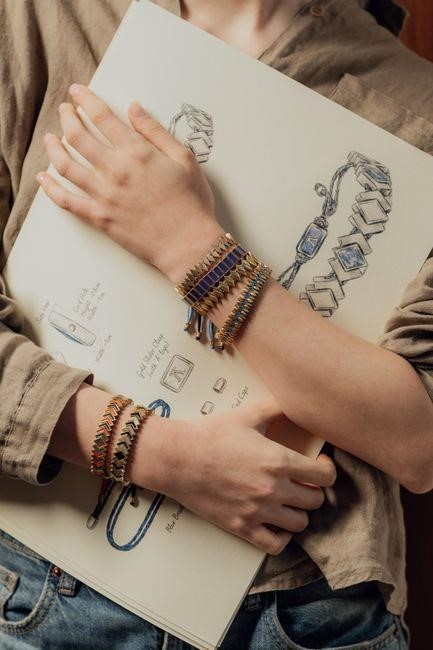
Decide between minimalist chains, chunky cuffs, or layered designs based on your wrist size and personal taste. Consider the metal, texture, and how the piece complements outfits. A well‑chosen style balances proportion, comfort, and visual impact for everyday wear.
Adjustable Bracelets
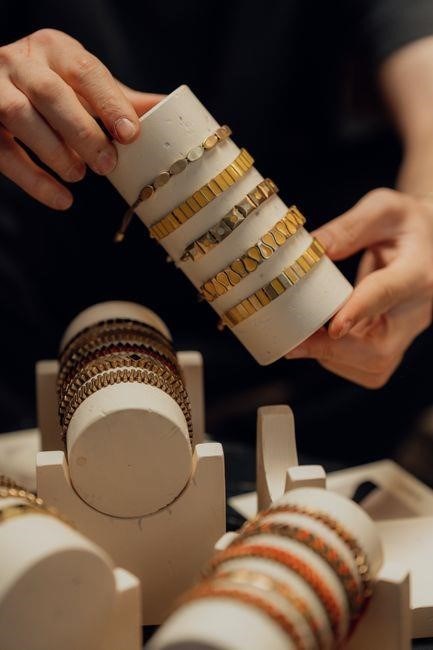
Adjustable bracelets offer flexibility for varying wrist sizes, making them ideal for gifting or for those who prefer a customizable fit. These pieces typically feature a sliding clasp, a series of small holes, or a flexible chain that can be tightened or loosened with a simple twist. The key advantage is the ability to shift the bracelet to accommodate swelling, weight changes, or simply a different style preference. Many adjustable designs incorporate a small metal or plastic shackle that slides along the chain, allowing the wearer to find the exact snugness without the need for a professional adjustment. Some high‑end adjustable bracelets use a micro‑adjustment mechanism with a tiny screw or lever, providing precise control over the length and shine. For casual wear, a simple elastic band or a chain with a small loop can serve the same purpose, offering both comfort and style, and adding a subtle flair. When choosing an adjustable bracelet, consider the material: leather often comes with a small buckle that can be moved along the strap, while metal chains may have a small ring that slides along the links. The aesthetic can range from sleek and modern to rustic and handcrafted, depending on the metal finish and the type of clasp. Adjustable bracelets are practical for people who like to layer; a looser fit accommodates extra pieces without feeling tight. Finally, remember that adjustable designs offer versatility but may need occasional maintenance to keep the sliding mechanism smooth and the clasp secure. Proper care extends the bracelet’s life and keeps it fresh.
Fixed‑Length Bracelets
Fixed‑length bracelets are designed with a single, unchangeable size that locks in place, providing a consistent fit for any wrist. They come in a variety of materials—polished gold, sterling silver, stainless steel, leather, or high‑quality synthetic fibers—each offering a distinct look and weight. The design ranges from minimalist chain links to elaborate gemstone settings, ensuring versatility across formal and casual occasions. Because the length is predetermined, these bracelets are ideal for those who prefer a precise fit or for gifting, as the wearer can simply try the bracelet on to confirm comfort. The fixed‑length construction eliminates the need for adjustment, making them low‑maintenance and durable. However, they require accurate measurement before purchase; a size that is too tight may cause discomfort, while a size that is too loose can appear disproportionate. Some manufacturers provide a small margin of error by offering slightly larger sizes, but the fit will still be more rigid than adjustable options. Maintenance involves occasional cleaning to preserve shine, especially for metal bracelets, and checking the clasp for wear. In formal settings, a slim, polished metal bracelet can serve as a subtle accent, whereas a chunky leather or beaded version may add a casual edge. Ultimately, fixed‑length bracelets deliver a streamlined look that stays true to the wearer’s style, making them a staple for both everyday wear and special occasions. These bracelets are prized for their elegance and versatility, making them a choice for jewelry collection!!
Tips for Comfort and Fit
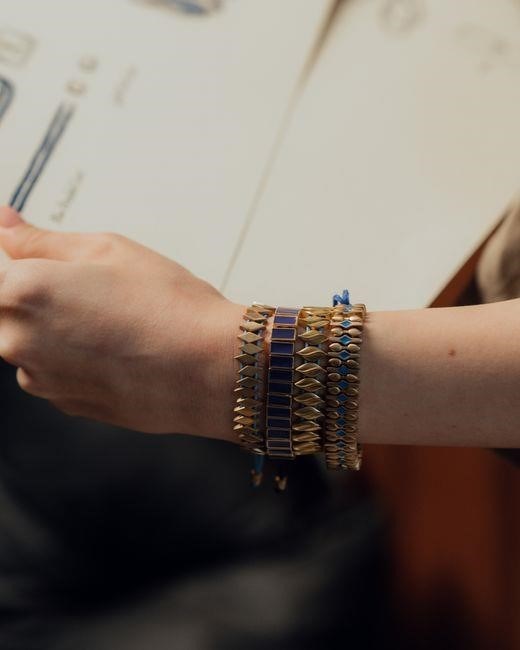
Ensure a snug yet breathable fit by selecting the right material, checking clasp security, and allowing a small gap for movement. Use soft padding or adjustable links for sensitive skin, and regularly inspect for wear to maintain comfort and style. Wear it daily for proper fit.!!!

Padding and Openings
When selecting a bracelet, padding is key to comfort durability. Liners—such as silicone, memory foam, or a thin natural rubber strip—create a gentle barrier between metal and skin, preventing irritation and reducing pressure points. For sensitive skin, a coated fabric or breathable mesh lining offers protection while keeping the piece lightweight. The thickness of the padding also affects the overall feel; a thicker pad adds a luxurious cushion for formal wear, whereas a thinner layer keeps the bracelet sleek for everyday use. Padded bracelets often feature a larger opening to accommodate the added material without compromising fit. When testing, slide the bracelet on, adjust the clasp, and ensure a 1–2 cm gap between the pad and wrist to allow breathing and avoid tightness. This buffer helps maintain circulation and prevents the bracelet from feeling heavy during prolonged wear.
Openings are equally critical for a secure fit. Adjustable clasps—lobster, toggle, or magnetic—allow fine‑tuning, adapting to wrist size changes from temperature or swelling. Fixed‑size openings, common in minimalist designs, should pair with a snug fit that leaves a 1–2 cm gap to avoid tightness. Chain bracelets rely on link spacing; a longer chain drapes loosely, while a shorter one offers a structured look. Inspect openings for smooth edges and secure locks; a clasp that clicks firmly reduces accidental opening. Magnetic closures provide a clean look while maintaining security. Always test the bracelet on your wrist before purchasing: slide it on, adjust padding if needed, and verify the opening allows easy removal without compromising fit. Comfort is key to style.!! Enjoy!
Maintenance and Adjustments
Regular care keeps your bracelet looking fresh and ensures it stays comfortable over time. Begin by wiping the metal with a soft, lint‑free cloth after each use to remove sweat, oils, and environmental pollutants. For delicate finishes, use a mild, pH‑neutral cleaner; avoid abrasive pads that can scratch the surface. If the bracelet contains gemstones or pearls, rinse them in lukewarm water and pat dry with a gentle towel—never submerge them in harsh chemicals. When the clasp or adjustable mechanism shows wear, replace it promptly; a loose clasp can lead to accidental removal and potential loss. For chain bracelets, inspect links for signs of bending or corrosion; a small amount of oil can reduce friction and extend lifespan. If the bracelet feels tight after a month of wear, try a gentle stretch by sliding the clasp slightly and allowing the metal to flex; this can accommodate minor swelling. For adjustable bracelets, periodically check the locking mechanism to ensure it engages fully; a partially engaged lock can cause discomfort. When storing, keep the bracelet in a soft pouch or a dedicated jewelry box to prevent scratches from other items. Avoid exposing it to strong magnetic fields or direct sunlight for extended periods, as these can degrade certain metals and finishes. Finally, schedule a professional cleaning or inspection every 6–12 months, especially if the bracelet is frequently worn in harsh environments. This routine maintenance not only preserves the aesthetic appeal but also safeguards your investment for years to come.
Adjust the clasp for a snug fit and avoid discomfort. OK
Choosing the right bracelet is a blend of precision and personal preference. By measuring accurately, interpreting the results with reliable charts, and selecting styles that align with your lifestyle, you can ensure a piece that feels as good as it looks. Remember that comfort is paramount; a well‑fitted bracelet should glide over the skin without pinching or slipping. Regular maintenance—cleaning, inspecting clasps, and storing properly—extends the life of your accessory and preserves its shine. Finally, embrace the joy of accessorizing: a thoughtfully chosen bracelet can elevate everyday outfits, mark special occasions, or simply serve as a daily reminder of style and confidence. With the knowledge and tools outlined here, you’re equipped to make informed decisions and enjoy bracelets that fit perfectly, both in size and spirit.