
Vertical Diet Meal Plan: A Comprehensive Guide
Discover a structured eating approach, often documented in PDF guides, emphasizing nutrient density and simplified food choices for optimal health and performance gains.
Understanding the Vertical Diet Philosophy
The Vertical Diet centers around maximizing nutrient intake with minimal digestive stress, often detailed within comprehensive PDF resources. It’s not about restrictive dieting, but rather strategically layering foods to support overall well-being and athletic performance.
This philosophy prioritizes easily digestible, nutrient-rich options like white rice, red meat, and colorful fruits and vegetables. Many PDF guides emphasize the importance of consistent, frequent meals – typically 6-8 per day – to maintain stable blood sugar and consistent energy levels. The diet aims to optimize hormonal balance and reduce inflammation, fostering a robust physiological environment.
Ultimately, the Vertical Diet, as explained in available PDF materials, is a bio-individual approach, encouraging adjustments based on personal needs and tolerances.
Core Principles of the Vertical Diet
Central to the Vertical Diet, often outlined in detailed PDF guides, is the concept of “food layering.” This involves combining foods strategically to enhance nutrient absorption and minimize digestive discomfort. A key principle is prioritizing whole, unprocessed foods, focusing on nutrient density over simply calorie counting.
Frequent meals – 6 to 8 daily – are also fundamental, maintaining stable blood sugar and consistent energy. Many PDF resources highlight the importance of adequate hydration and salt intake. The diet encourages a flexible approach, adapting to individual needs and tolerances, as detailed in various PDF meal plans.
Ultimately, the core principles, readily available in PDF format, aim to optimize health through simplified, nutrient-focused eating.
Macronutrient Breakdown in the Vertical Diet
As detailed in many PDF guides, the Vertical Diet doesn’t prescribe rigid macronutrient ratios but leans towards a higher protein intake – typically around 0.8-1 gram per pound of body weight – to support muscle recovery and growth. Carbohydrate sources, emphasized in PDF meal plans, are primarily white rice and sweet potatoes, chosen for their digestibility.
Fat intake, often outlined in PDF resources, is moderate, sourced from whole food options like fatty fish, eggs, and red meat. The focus isn’t on strict tracking, but rather on consuming nutrient-dense foods that naturally provide a balanced macronutrient profile, as illustrated in sample PDF plans.
These guidelines, readily found in PDF format, promote a flexible yet effective approach.
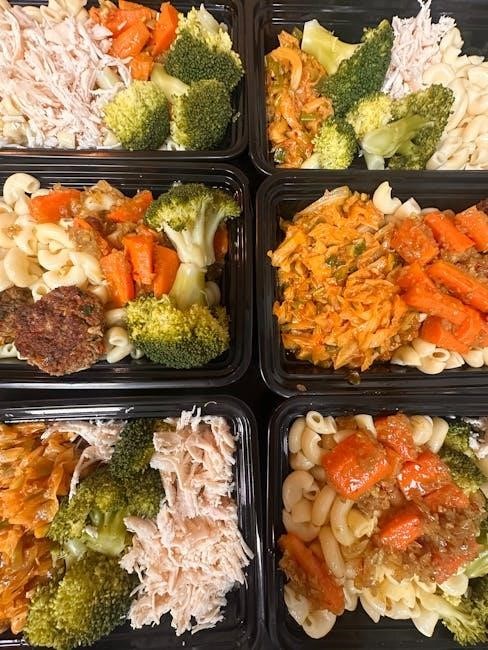
7-Day Vertical Diet Meal Plan (3000-3500 Calories)
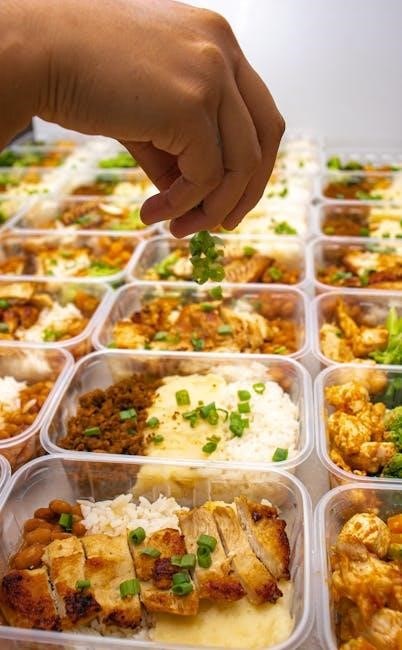
Explore a sample week of eating, often found in detailed PDF formats, designed to deliver 3000-3500 calories daily for optimal results.
Day 1: Focus on Red Meat & White Rice
Embark on the first day with a foundation of easily digestible proteins and carbohydrates, frequently outlined in Vertical Diet PDF resources. Begin with a hearty breakfast of scrambled eggs and cheese, providing essential fats and protein to kickstart your metabolism. Lunch centers around a substantial steak paired with white rice – a cornerstone of the diet for sustained energy.
Dinner continues this theme with ground beef and spinach, offering iron and vital nutrients. Many PDF guides emphasize portion control within this framework, typically around 200g of meat and similar rice quantities. This day prioritizes bioavailability and minimizes digestive stress, setting a solid base for the week ahead.
Breakfast: Scrambled Eggs & Cheese
Start your day with a simple yet nutrient-dense breakfast, a frequent recommendation within Vertical Diet PDF plans. Scrambled eggs, ideally whole eggs, deliver high-quality protein and essential fats. Adding cheese boosts caloric intake and provides additional nutrients like calcium. Many guides suggest incorporating spinach or red peppers for added vitamins and minerals, enhancing the overall nutritional profile.
This breakfast prioritizes easily digestible foods, minimizing digestive strain early in the day. PDF resources often detail specific quantities – typically 2-3 eggs and around 30g of cheese – to meet individual caloric needs. Salt is encouraged to aid electrolyte balance and enhance flavor.
Lunch: Steak with White Rice
Fuel your afternoon with a cornerstone meal of the Vertical Diet, frequently detailed in downloadable PDF guides: steak paired with white rice. Steak provides a concentrated source of bioavailable protein and essential nutrients like iron and creatine. White rice, easily digestible, delivers carbohydrates for sustained energy without causing significant digestive distress.

PDF plans often specify portion sizes – around 200g of steak and 200g of cooked white rice – tailored to individual calorie targets. The simplicity of this meal is intentional, focusing on nutrient density and minimizing processed ingredients. Salt is recommended to optimize electrolyte balance and flavor.
Dinner: Ground Beef & Spinach
Conclude your day with a nutrient-packed dinner, a staple found within many Vertical Diet PDF resources: ground beef combined with spinach. Ground beef offers a readily available protein source, alongside crucial fats and micronutrients. Spinach contributes vital vitamins, minerals, and antioxidants, supporting overall health and recovery.
PDF meal plans typically suggest around 200-300g of ground beef, alongside a generous serving (100-200g) of spinach. Cooking methods are often simple – sautéing or browning – to preserve nutrient content. Salt is, again, encouraged for optimal electrolyte balance. This meal prioritizes nutrient density and ease of digestion before bedtime.
Day 2: Incorporating Poultry & Vegetables
Transitioning from red meat, Day 2 of a typical Vertical Diet PDF plan introduces poultry and a wider variety of vegetables; This shift aims to broaden nutrient intake while maintaining the diet’s core principles: high-nutrient density and simplified food choices. Poultry, like chicken or turkey, provides lean protein, essential for muscle repair and growth.
PDF guides often recommend pairing poultry with white rice for carbohydrate intake and incorporating non-starchy vegetables like broccoli or asparagus. This day emphasizes a balance between protein, carbohydrates, and micronutrients, supporting sustained energy levels and overall well-being. Salt remains a key component for electrolyte balance.
Breakfast: Chicken Breast & Sweet Potato
A cornerstone of many Vertical Diet PDF plans, this breakfast prioritizes protein and complex carbohydrates. Chicken breast offers a lean protein source, crucial for muscle maintenance and satiety, setting a solid foundation for the day. Sweet potato provides sustained energy release due to its complex carbohydrate content, avoiding energy crashes.
PDF guides frequently suggest seasoning the chicken with salt for electrolyte balance and optimal flavor. Portion sizes, detailed within the PDF, typically range from 4-6oz of chicken breast paired with a medium-sized sweet potato. This meal exemplifies the diet’s focus on whole, unprocessed foods.
Lunch: Turkey & White Rice
Frequently detailed in Vertical Diet PDF resources, this lunch emphasizes easily digestible protein and carbohydrates. Lean turkey breast provides essential amino acids for muscle recovery and overall health, while white rice serves as a readily available energy source. The simplicity of this meal aligns with the diet’s core principles.
PDF guides often recommend consuming 4-6oz of turkey alongside 1-2 cups of cooked white rice. Salt is typically encouraged to replenish electrolytes. This combination is favored for its minimal fiber content, promoting efficient digestion. Many PDF plans highlight this as a staple for athletes needing quick fuel.
Dinner: Salmon with Broccoli
As outlined in many Vertical Diet PDF guides, dinner focuses on healthy fats and micronutrients. Salmon, rich in omega-3 fatty acids, supports brain health and reduces inflammation. Broccoli provides essential vitamins and fiber, contributing to overall well-being. This meal exemplifies the diet’s emphasis on nutrient density.
PDF resources typically suggest a 4-6oz salmon portion paired with 1-2 cups of steamed or roasted broccoli. Seasoning with salt is common. While the Vertical Diet prioritizes white rice, broccoli offers valuable nutrients. Detailed PDF plans often include variations, adjusting portion sizes based on individual calorie needs.
Day 3: Prioritizing Organ Meats
Vertical Diet PDF resources highlight Day 3 as crucial for maximizing nutrient intake through organ meats. These are exceptionally dense in vitamins and minerals often lacking in modern diets. Beef heart and liver are frequently recommended, offering unique nutritional profiles. While potentially challenging for some palates, the diet emphasizes their benefits.
PDF guides often suggest starting with smaller portions, gradually increasing tolerance. Recipes may include blending liver with ground beef to mask the flavor. This day underscores the diet’s bio-individual approach, recognizing that organ meat consumption isn’t universally appealing, but highly beneficial when tolerated.
Breakfast: Liver & Eggs
Vertical Diet PDF plans frequently feature liver and eggs as a nutrient-packed breakfast option. Liver, a superfood in this context, provides high levels of Vitamin A, B vitamins, and iron. Combining it with whole eggs boosts protein and healthy fats, creating a satiating and energizing start to the day.
PDF guides suggest using grass-fed liver for optimal nutrient density. Preparation methods vary; some prefer lightly sautéed liver, while others blend it into scrambled eggs to minimize the strong flavor. This breakfast exemplifies the diet’s focus on prioritizing nutrient-rich, whole foods over processed alternatives.
Lunch: Beef Heart & Rice
Vertical Diet PDF resources often highlight beef heart as a prime protein source for lunch, emphasizing its CoQ10 content – vital for energy production. Pairing it with white rice provides easily digestible carbohydrates for sustained energy levels throughout the afternoon; This combination aligns with the diet’s principles of maximizing nutrient intake and minimizing digestive stress.
PDF guides recommend sourcing high-quality, grass-fed beef heart. Cooking methods include slow cooking or quick searing. The simplicity of beef heart and rice reflects the diet’s focus on whole, unprocessed foods, making it a practical and effective lunch option.
Dinner: Ground Lamb & Spinach
Vertical Diet PDF plans frequently feature ground lamb and spinach for dinner, a nutrient-dense pairing supporting recovery and muscle repair. Lamb provides a rich source of creatine and iron, crucial for athletic performance, while spinach delivers essential vitamins and minerals. This meal embodies the diet’s emphasis on bioavailability and maximizing micronutrient intake.
PDF guides suggest lightly seasoning the lamb and sautéing the spinach with minimal oil. The simplicity of preparation aligns with the diet’s focus on whole foods. This dinner option offers a satisfying and nutritious end to the day, promoting optimal health and well-being.
Meal Planning & Grocery List for the Vertical Diet
Vertical Diet PDF resources streamline planning with focused grocery lists and meal templates, prioritizing whole foods for consistent nutrient intake and simplified preparation.
Essential Foods for a Vertical Diet
A Vertical Diet PDF will highlight core food groups crucial for success. Red meat, like steak and ground beef, forms a foundation, providing essential amino acids and iron. White rice is favored for its easily digestible carbohydrates, fueling workouts and recovery.
Poultry, especially chicken and turkey, offers lean protein sources. Leafy greens, such as spinach, contribute vital micronutrients. Organ meats, like liver and heart, are nutrient powerhouses, though often introduced gradually.
Healthy fats from sources like avocados and olive oil are also important. A well-structured Vertical Diet PDF emphasizes these staples, minimizing processed foods and focusing on nutrient density to optimize health and body composition.
Creating a Personalized Meal Plan
A Vertical Diet PDF serves as a starting point, but personalization is key. Begin by calculating your daily caloric needs based on activity level and goals – bulking, cutting, or maintenance. Adjust portion sizes of core foods (meat, rice, vegetables) accordingly.
Consider food preferences and tolerances; substitutions within food groups are acceptable. Spread meals throughout the day to maintain consistent energy levels and nutrient intake.
Utilize a Vertical Diet PDF’s framework, but tailor it to your body. Tracking intake and monitoring results allows for fine-tuning. Remember, consistency and adherence are paramount for achieving desired outcomes.
Sample Grocery List
Based on a Vertical Diet PDF, prioritize high-quality protein sources: beef (steak, ground), poultry (chicken, turkey), fish (salmon). Stock up on white rice – a staple carbohydrate. Include a variety of colorful vegetables, especially spinach and red peppers.
Don’t forget eggs and cheese for quick, nutrient-dense meals. Organ meats, like liver and heart, are highly encouraged. Consider supplementing with salt.
A Vertical Diet PDF often details quantities, but adjust based on your meal plan. Prioritize fresh, whole foods whenever possible, minimizing processed items for optimal results.
Adjusting the Diet for Different Calorie Needs
Vertical Diet PDF resources detail calorie adjustments; increase portions for bulking, reduce them for cutting, tailoring the plan to individual goals and activity levels.
Vertical Diet for Bulking (Higher Calories)
For maximizing muscle gain, the Vertical Diet, as often detailed in a Vertical Diet Meal Plan PDF, necessitates a caloric surplus. This involves strategically increasing portion sizes of core foods – prioritizing red meat, white rice, and whole eggs.
Supplementing with additional carbohydrates, like sweet potatoes, and healthy fats is crucial. PDF guides frequently recommend adding a fourth or even fifth meal throughout the day to consistently deliver nutrients. Focus shifts towards consistently exceeding maintenance calories, typically by 300-500 calories daily, while maintaining food quality.
Monitoring weight gain and adjusting intake accordingly is vital, ensuring gains are primarily muscle and not excessive fat. The PDF will often provide specific examples of meal adjustments for bulking phases.

Vertical Diet for Cutting (Lower Calories)
Achieving fat loss with the Vertical Diet, as outlined in a typical Vertical Diet Meal Plan PDF, requires a controlled caloric deficit. This isn’t about restriction, but rather strategic reduction of carbohydrates and fats while preserving protein intake to maintain muscle mass.
PDF resources emphasize prioritizing lean protein sources like chicken breast and fish, alongside ample non-starchy vegetables. Portion control becomes key, and the frequency of meals may remain consistent to manage hunger.
Careful monitoring of progress and adjustments to calorie intake are essential. A PDF guide will often suggest reducing carbohydrate portions or slightly decreasing fat intake, aiming for a 200-300 calorie deficit daily.
Calculating Your Individual Calorie Requirements
Determining your ideal calorie intake, often detailed within a Vertical Diet Meal Plan PDF, begins with calculating your Basal Metabolic Rate (BMR) – the energy your body needs at rest. Online calculators or formulas like the Harris-Benedict equation can assist with this.
Next, factor in your activity level: sedentary, lightly active, moderately active, or very active. This multiplies your BMR to estimate your Total Daily Energy Expenditure (TDEE).
A PDF guide will then advise adjusting this TDEE based on your goals – adding calories for bulking, subtracting for cutting. Precise tracking and consistent adjustments are crucial for optimal results.

Addressing Common Questions & Concerns
Frequently asked questions regarding the Vertical Diet, often clarified in detailed PDF resources, address sustainability, potential benefits, and individual dietary adjustments.
Is the Vertical Diet Sustainable Long-Term?
Long-term adherence to the Vertical Diet hinges on individual adaptability and mindful implementation. While the diet’s simplicity – often detailed in comprehensive PDF meal plans – is a strength, strictness can pose challenges. Many find success by viewing it as a framework, not rigid rules.
PDF guides frequently emphasize prioritizing whole, unprocessed foods, which supports sustainable habits. However, social situations and travel may require flexibility. The key lies in consistently returning to core principles: ample protein, sufficient fat, and carbohydrate timing.
Ultimately, sustainability depends on finding a balance that aligns with lifestyle and preferences, making it a viable long-term eating pattern for many.
Potential Benefits of the Vertical Diet
Numerous benefits are reported by those following the Vertical Diet, often outlined in detailed PDF resources. These include improved body composition, enhanced energy levels, and optimized digestive health due to the focus on nutrient-dense foods.
The diet’s emphasis on red meat and organ meats provides readily available bioavailable nutrients, potentially supporting muscle growth and recovery. Many users experience reduced inflammation and improved mental clarity.
PDF meal plans often highlight the simplicity of the approach, making it easier to adhere to compared to complex diets. However, individual results vary, and consulting a healthcare professional is always recommended.